Beyond Real Estate: How AppleOne Built a Multi-Industry Ecosystem
From Cebu’s business districts to Bohol’s beachfronts, AppleOne Group is rewriting the playbook on regional development— one integrated community at a time.
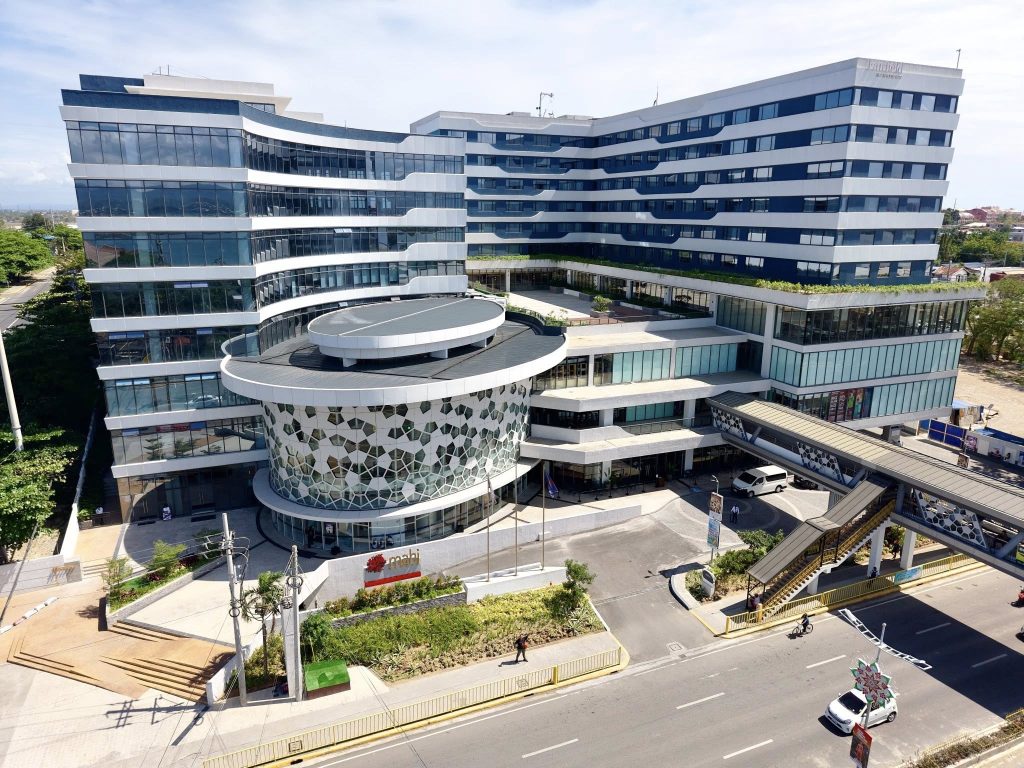
With the recent opening of its first mall property integrated within the Mahi Center near Mactan-Cebu International Airport, AppleOne Group is taking its integrated community model to a new scale. Founded in 2009 in Cebu, the company has created a fully integrated ecosystem spanning real estate, hospitality, healthcare, and lifestyle. An expansion built on the conviction that truly livable communities require places to heal, work, rest, and belong.
The Real Estate Foundation
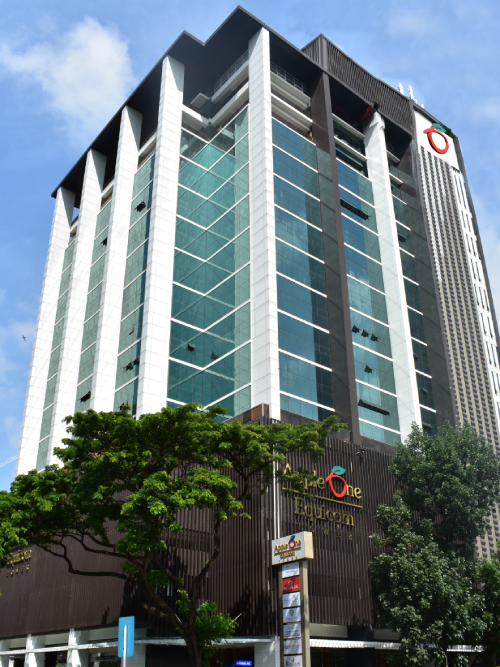
AppleOne’s property development arm laid the groundwork with the AppleOne Equicom Tower, a 17-storey mixed-use development completed in 2010 at the heart of Cebu Business Park—combining residential, commercial, and professional spaces under one address. This foundation grew into landmark hospitality and residential projects, most notably The Residences at Sheraton Cebu Mactan Resort, the first Sheraton-branded residences in Southeast Asia.
The residential pipeline has since expanded to Bohol, where the JW Marriott Residences Panglao Island— a development that marks the entry of JW Marriott brand in the Philippines— is set to offer 70 ultra-premium residences on a seven-hectare beachfront. In Mindanao, the Radisson Blu Hotel & Residences Cagayan de Oro will introduce the first 5-star hotel and internationally branded residences in CDO.
Hospitality as Community Infrastructure
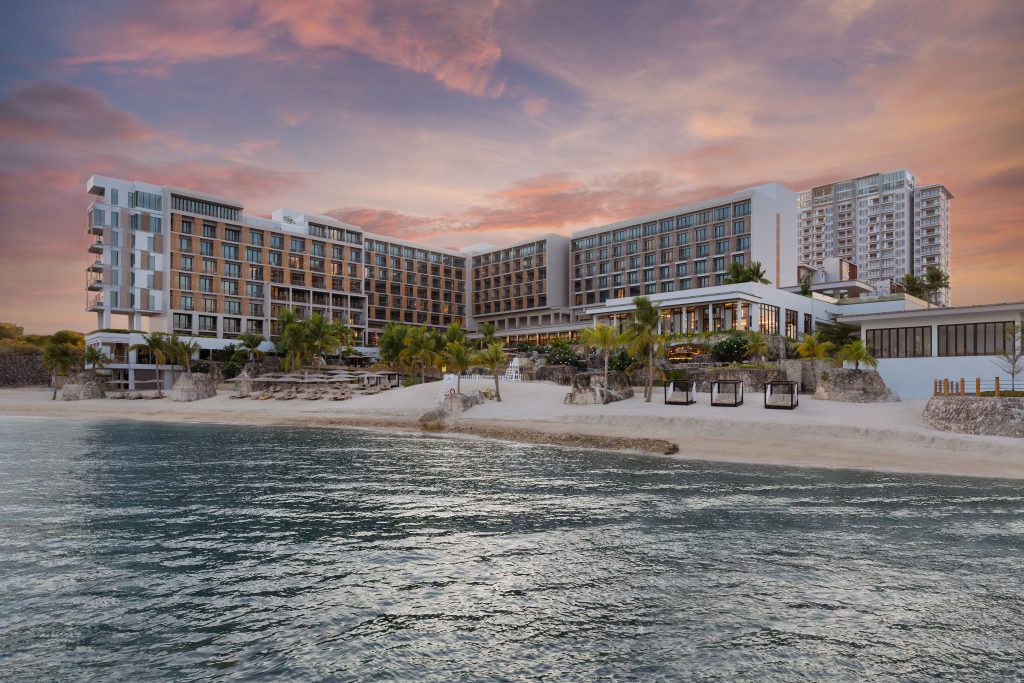
AppleOne’s hospitality portfolio showcases a series of Philippine firsts. The Sheraton Cebu Mactan Resort— a 261-room property that opened in 2022— was the first Marriott International resort in the Philippines, repositioning Mactan as a destination for elevated resort living. The soon-to-open JW Marriott Panglao Island Resort and Spa will be the first JW Marriott resort in the Philippines, anchoring Bohol’s rise as an ultra-premium destination.
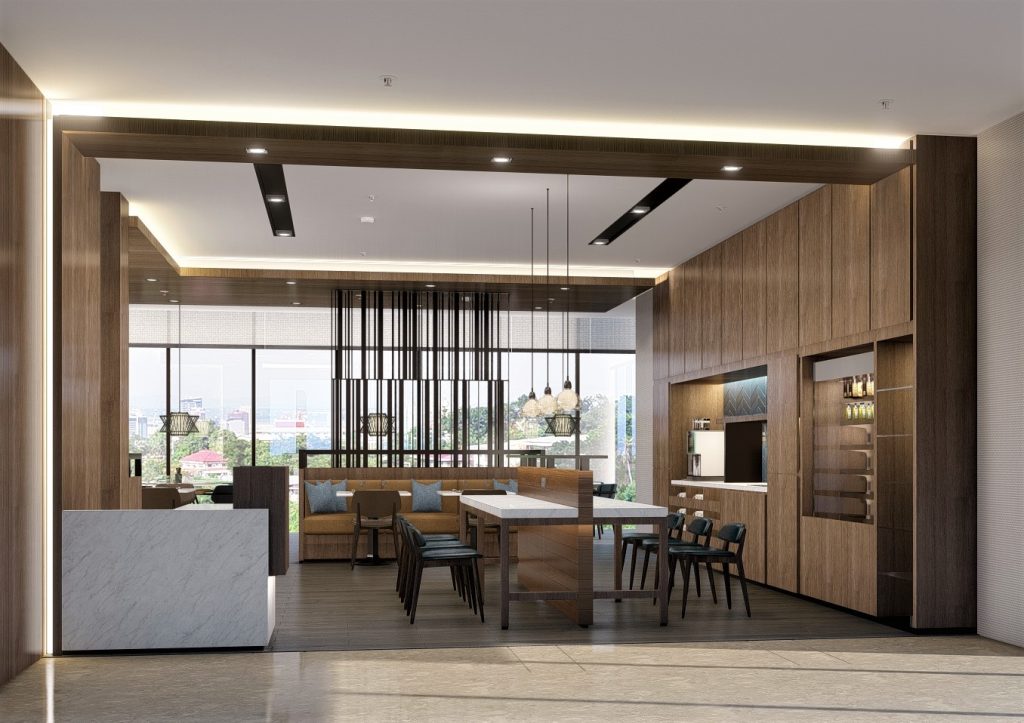
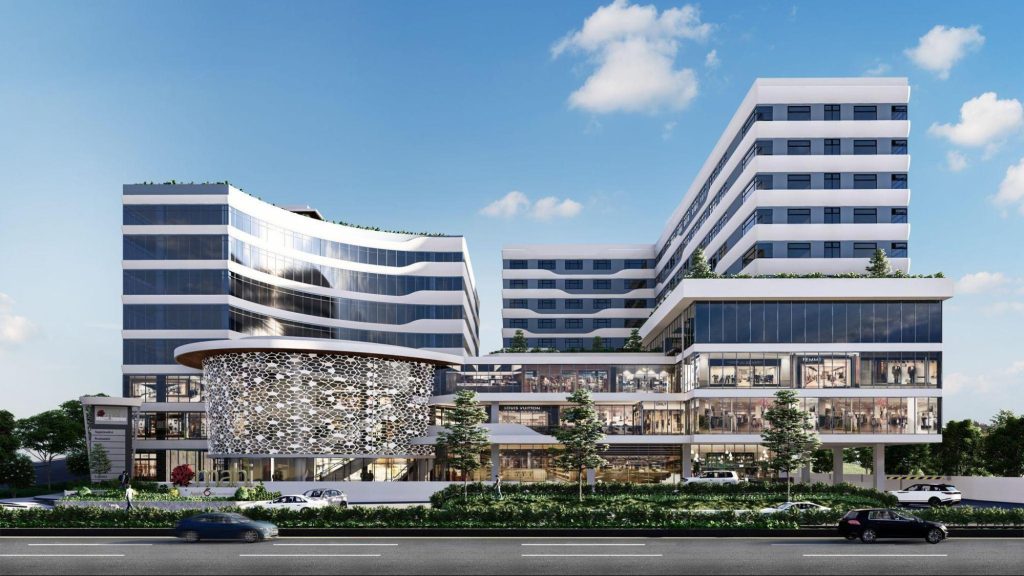
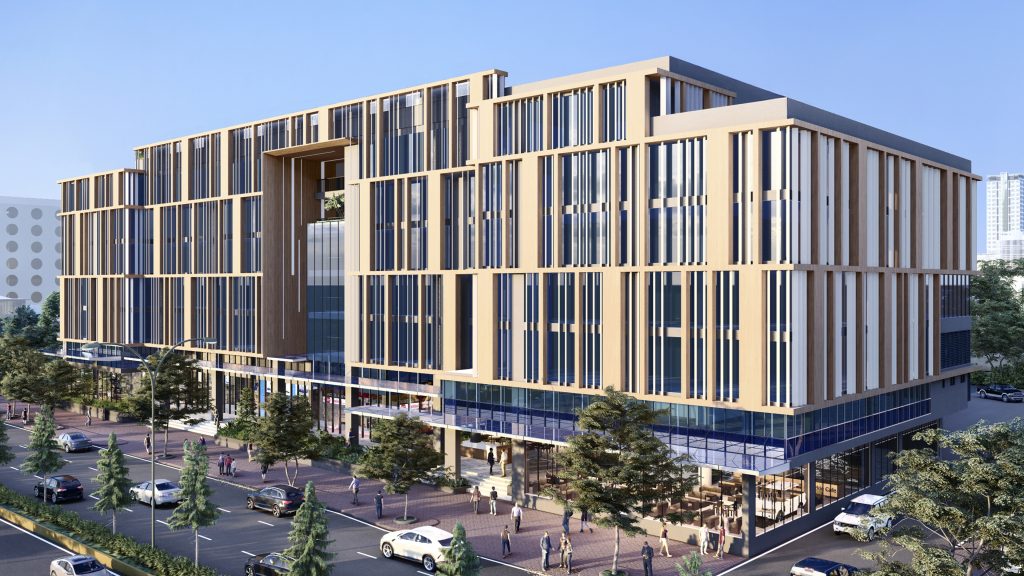
The Mahi Center— the first integrated business and leisure destination in Mactan, Cebu— brings together a five-floor office tower, a curated retail mall anchored by Metro Supermarket and international food brands, and a 196-room Fairfield by Marriott Cebu Mactan. Positioned ten minutes from the country’s second busiest international airport, the mixed-use complex embodies AppleOne’s ecosystem vision in its most complete built form.
“Our vision is to build an ecosystem where work, retail, tourism, and hospitality fuel lasting growth for all,” says Sam Manigsaca, AppleOne’s Vice President for Hospitality.
Healthcare as the Ecosystem’s Pillar
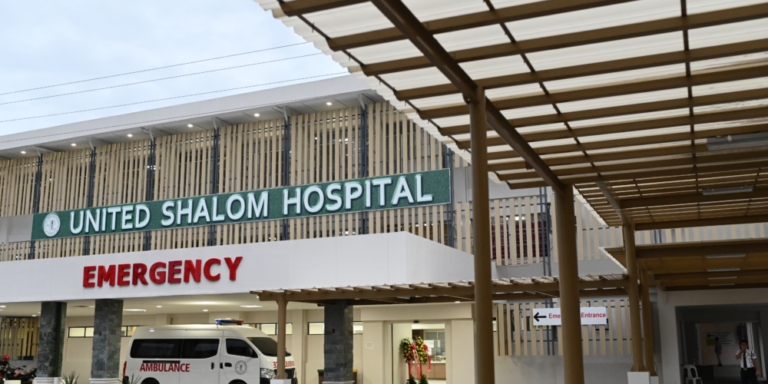
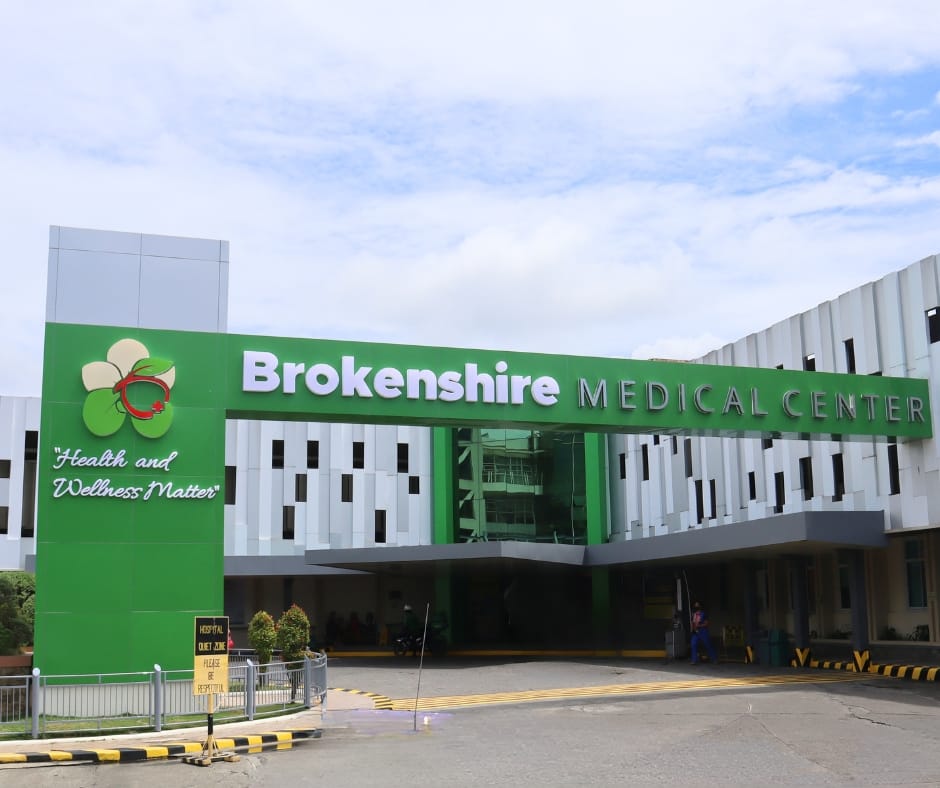
Perhaps the most telling indicator of AppleOne’s community-first orientation is its entry into healthcare. Through AppleOne Medical Group (AMG), the company manages VisayasMed Hospital and Medical Arts in Cebu City, United Shalom Hospital in Tacloban, and Brokenshire Hospital in Davao. Medical Arts at VisayasMed Hospital Cebu houses the Singapore Cancer Center— the first fully integrated cancer center in the Philippines— reflecting AppleOne’s belief that residential communities without accessible healthcare are incomplete.
Ecosystem Logic in Practice
What sets AppleOne apart is the internal coherence of its portfolio: hospitality draws tourism and investment, supporting commercial leasing; commercial activity drives residential demand; healthcare elevates community quality of life, justifying premium residential positioning; and flexible workspaces—managed through a partnership with IWG’s Regus brand at Cebu Business Park, Cebu IT Park, and Festive Walk Mall Iloilo—complete the loop. This architecture of interdependence is rare in the Philippine property landscape, where most developers confine themselves to one or two industries.
“Business is not just about making deals, it’s about making a positive impact,” says Ray Go Manigsaca, President and CEO of AppleOne Group, a line that doubles as both personal philosophy and corporate strategy.
For a company that started with two founders and a shared dream in Cebu, the arc is remarkable. But perhaps more significant is what AppleOne is building toward: a model that doesn’t just decide where Filipinos will live—it dares to shape lives they deserve.